What Is Subvertising & Why It’s A Key Activist Tactic
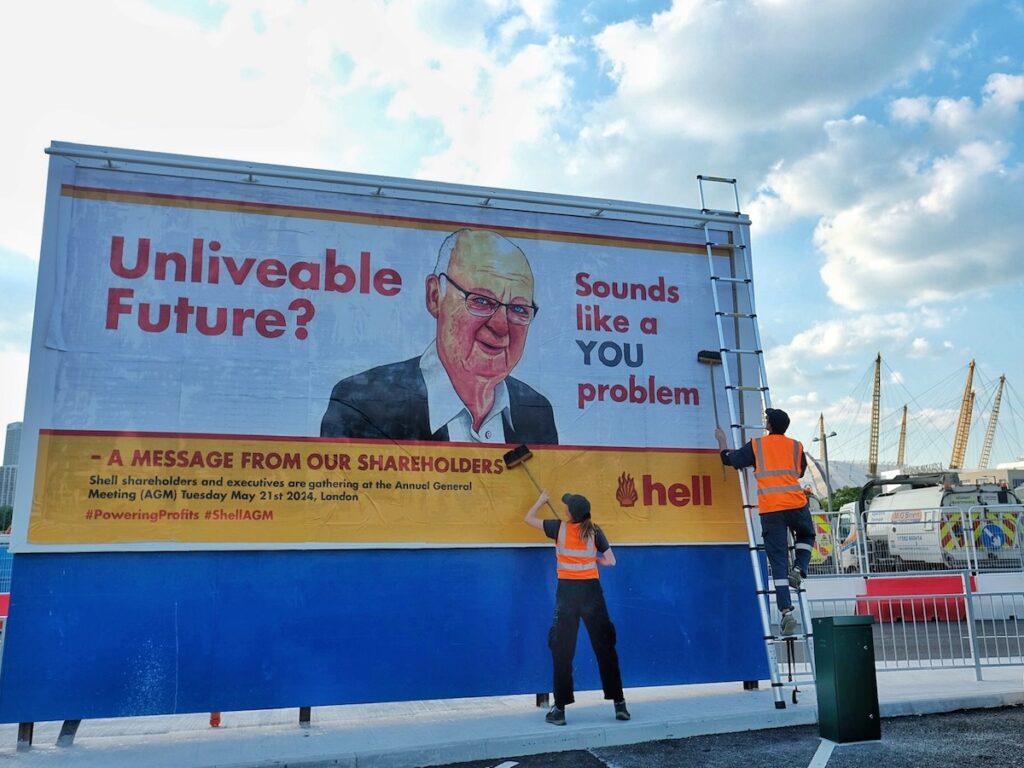
If you’ve walked through a major city in recent years, you may have spotted subvertising. From billboards to bus shelters, swathes of public space is used to advertise big brands, products and messages, all of which are unconsciously absorbed by the public as we move through these spaces each day.
But activists are pushing back. From co-ordinated projects against advertising, to artists like Darren Cullen, to campaigners. The technique is being used more and more, calling out everything from billionaires, to unethical sponsorships in culture and sport, to high-carbon advertising across the London transport network.
So what is this tactic, and how do we get involved?
What is subvertising?
The word subvertising is a portmanteau for ‘subverting advertising’, and refers to artists and activists intervening in urban advertising space. It covers various tactics such as altering adverts in small ways, taking over billboards, projections, and hacking/taking over digital adverts. It has also been described as a form of culture jamming which attempts to ‘intervene in the visual landscape that shapes how we think’.
In general, campaigners hijack corporate and state imagery to share a different set of messages, challenging dominant narratives and seeking to share the hidden truths behind what we’re sold on the surface.

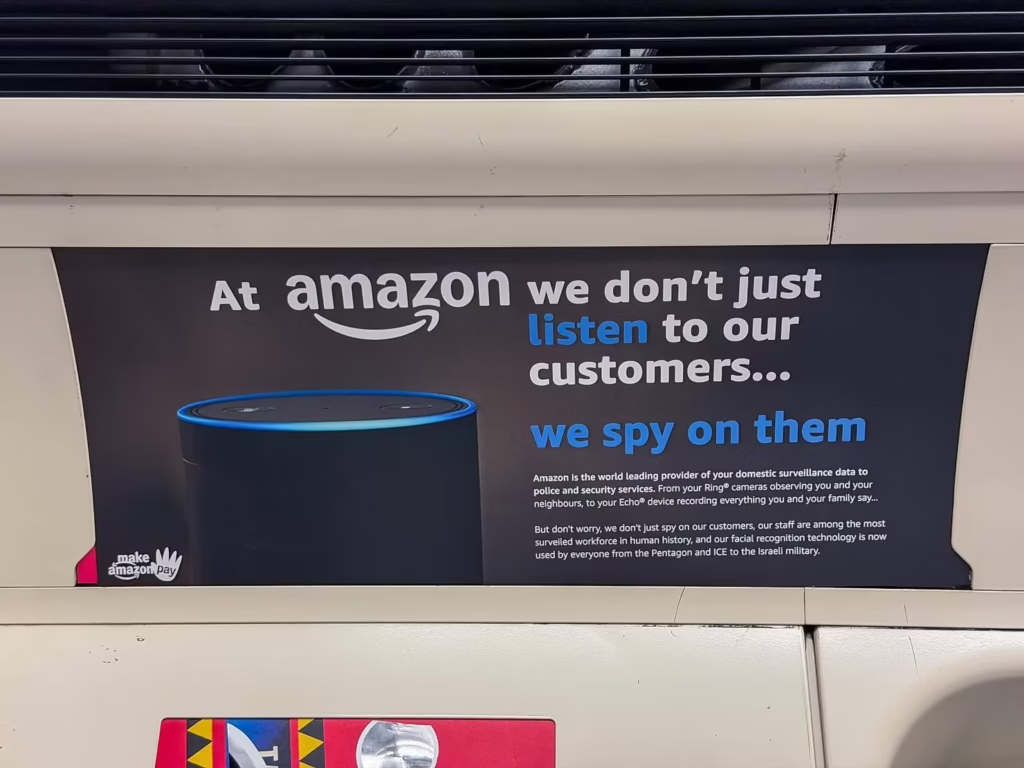
Subvertisers generally take aim at systems, denouncing unsustainable consumerism while platforming a range of important messages from groups such as feminists, environmentalists, and anti-consumerist factions, all opposing advertising. They object to the use of advertising as a tool that pushes uncontrollable consumerism and its invasion into public spaces.
The history of Subvertising
There’s no official consensus on the emergence of subvertising, but a history of organised subverting of advertising dates back at least fifty years. In Australia, the BUGA-UP (Billboard-Utilising Graffitists Against Unhealthy Promotions) collective started taking direct action against tobacco advertising in the 1970s, claiming their work as one of the earliest forms of subvertising in the world. In their words, someone had to do something about it. In 1977, the Billboard Liberation Front (BLF) was also formed in San Francisco and began making ‘improvements’ to outdoor advertising, as well as encouraging others to do the same.
Subvertising can also be seen as directly linked to the work of the Situationist International (SI). SI were a revolutionary alliance of European avant-garde artists, writers and poets formed at a conference in Italy in 1957. They developed key critiques of capitalism, used their artistic practices to unsettle and disrupt systems of consumerism, and their notion of the ‘Spectacle’ became a key way to understand advertising and consumerism’s impact on our psyches. Originally outlined by Guy Debord, he posed the idea in several writings of a permanently distracting and preoccupying spectacle, which obfuscates the oppressive nature of capitalism. Debord’s concept of détournement also focused on superimposing revolutionary content on mainstream images and text, subverting this commodity capitalist culture. This strategy of detournement, aka rerouting or hijacking, was pioneered by the SI, but the tradition continues today in the ways that subvertisers re-imagine advertising imagery, and reclaim advertising spaces.
If taking ownership of advertising spaces back from private companies seems unlikely, subvertising is at least a way to take a crack at influencing public perception. “It’s a political act,” says a member of the St Just Mob, a well-established collective of subvertisers in Bristol. “Illegality is important to challenge the clampdown on public space.”
The trend also gained further momentum with the publication of No Logo by Naomi Klein in 2000, a bestseller that propelled the anti-capitalist and anti-corporate movement. As people grow tired of unceasing ads and constant communication, more and more people have tried to resist corporate invasion into daily life and reclaim public space.

Why subvertising?
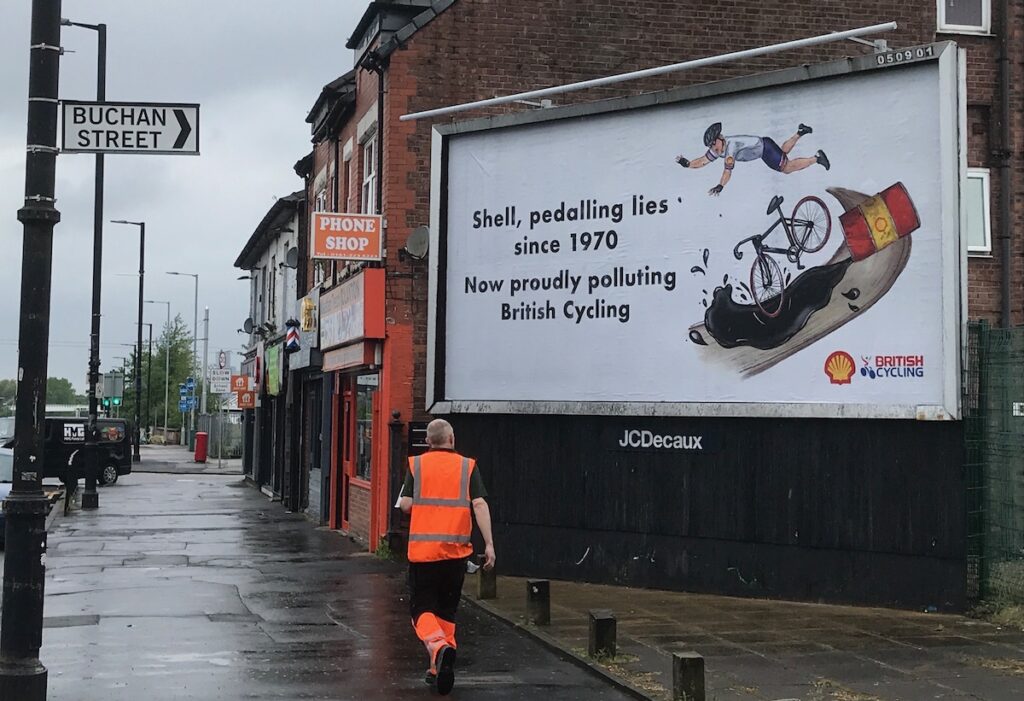
Motivations for subvertising can vary, from objections to specific products and businesses to a desire for less of all kinds of advertising in public spaces. The strategies of altering, removing or reversing outdoor advertising have remained largely the same since the idea gained momentum, but today’s subvertisers tend to be more co-ordinated in their organising and cohesive in their messaging.
As a general rule, subvertising will challenge rampant consumer culture, encourage the public to think critically and question the messages and ads they see, and often draw awareness to a range of social justice issues.
The main aim of subvertising is always to challenge and critique the dominant ideologies and values promoted by mainstream media and advertising. Subvertisers challenge the corporate control of culture and space, reclaiming it for the people and for a just future.
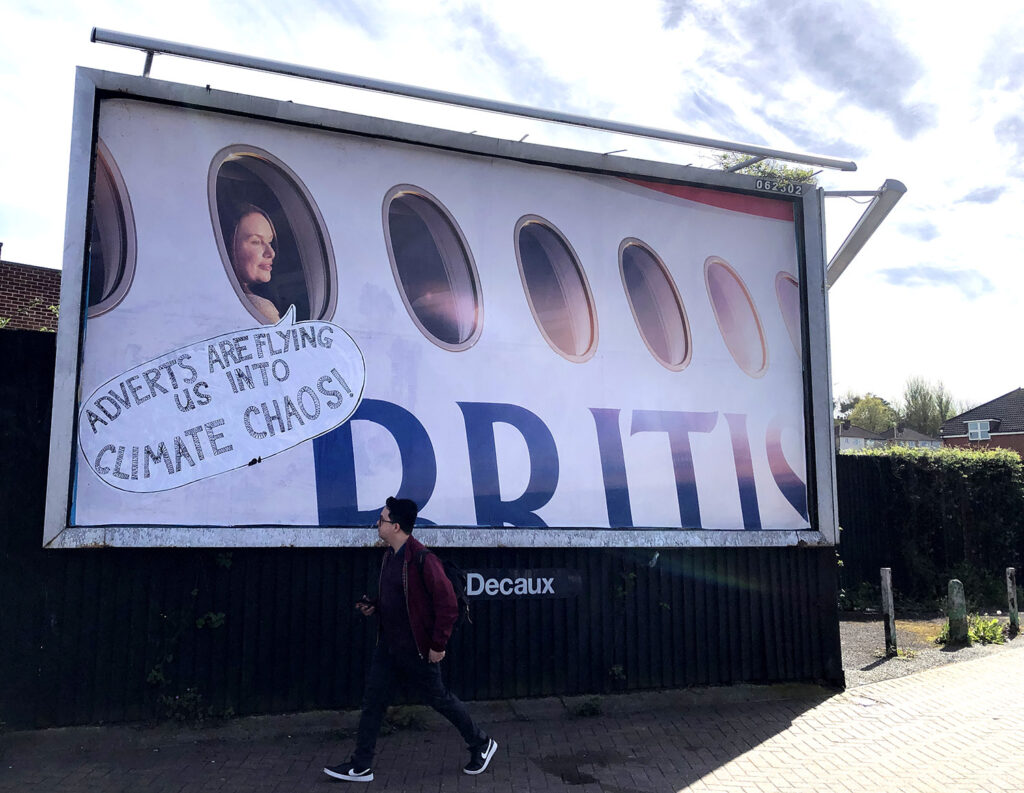
Today, the practice of subvertising is reaching novel heights. Collectives are starting to connect globally to form an ever-increasing force of resistance against the visual and mental implications of advertising. Initiatives such as Brandalism, Brigade Antipub and Plane Stupid are beginning to specifically address the connections between advertising, fossil fuels and climate change. Intervening into advertising spaces that usually celebrate consumption, they divert messages towards ones of anti-consumption.
What does subvertising look like?
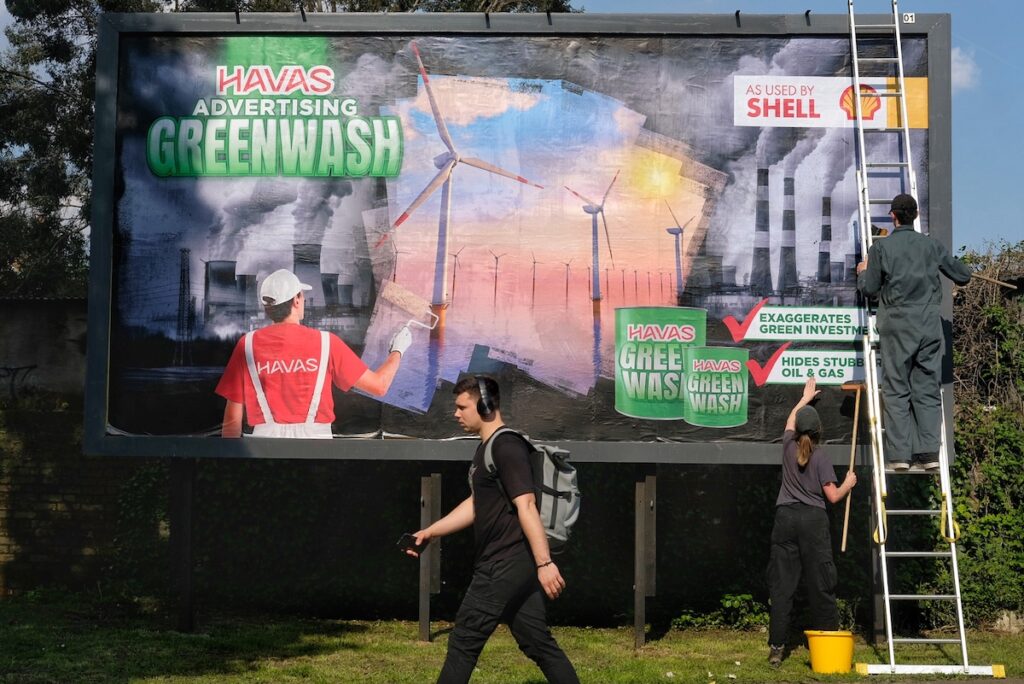
The method is the most interesting part of Brandalism, since it’s specifically designed to confuse the viewer a little. This is why the posters are usually playful, typically mimicking established designs. They are, I think, motivated by 1960s French Situationism – people who believed the culture, the “spectacle” of modern society needed to be attacked, and done in such a way that would wind up, rile, mimic, anger, confuse.
A corporate advert can be a perfect place to highlight hypocrisy, push alternative ideas and raise awareness of different messages. Outdoor advertising is seen as untouchable and impossible to challenge, but this isn’t actually the case. Many subvertisers operate in broad daylight, hacking bus stops, tube ads, billboards and other outdoor spaces, using guidance from this online manual.
They both intervene in the typical physical spaces where people see adverts and alter the messages within, disrupting habitual ways of thinking with innovation, design and witty humour.
Common techniques include:
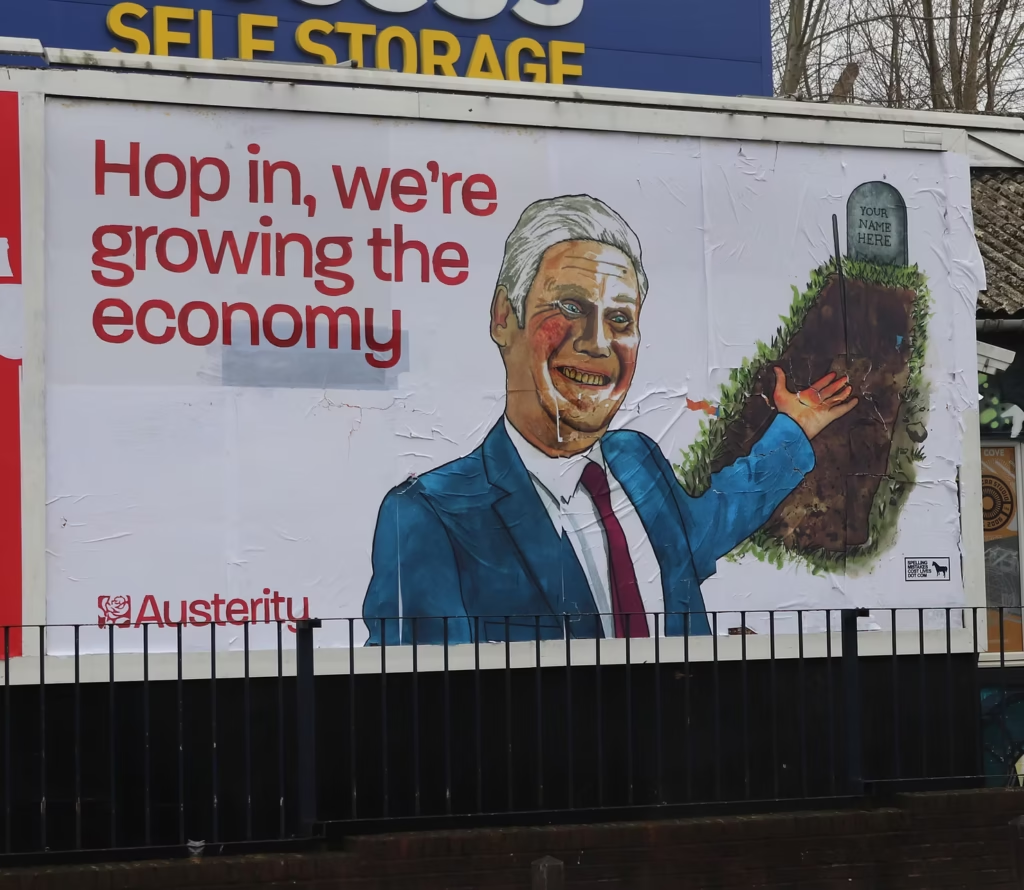
- Parody or satire: mimicking the style and format of an ad, changing the message to critique the product or values it promotes.
- Detournement: existing media re-purposed with new messages or interpretations.
- Graffiti or street art: physically altering advertisements, often with spray paint or stickers.
Learn more and get involved
Subvertising is a popular action, not only because of its methods, but because it typically is at a lower level in arrestability.
There are videos, guides and websites with plenty of information for those looking to get involved, and pre-existing groups people can join, alongside the following resources.
- Brandalism’s Subvertising Guide
- Inspiration on how to take over billboards.
- More instructions on subvertising bus stops & billboards and a series of case studies.
- The book Advertising Shits in Your Head